2026-10-23 ·
How to Spot Moisture Issues from Spray Foam in York Terraces
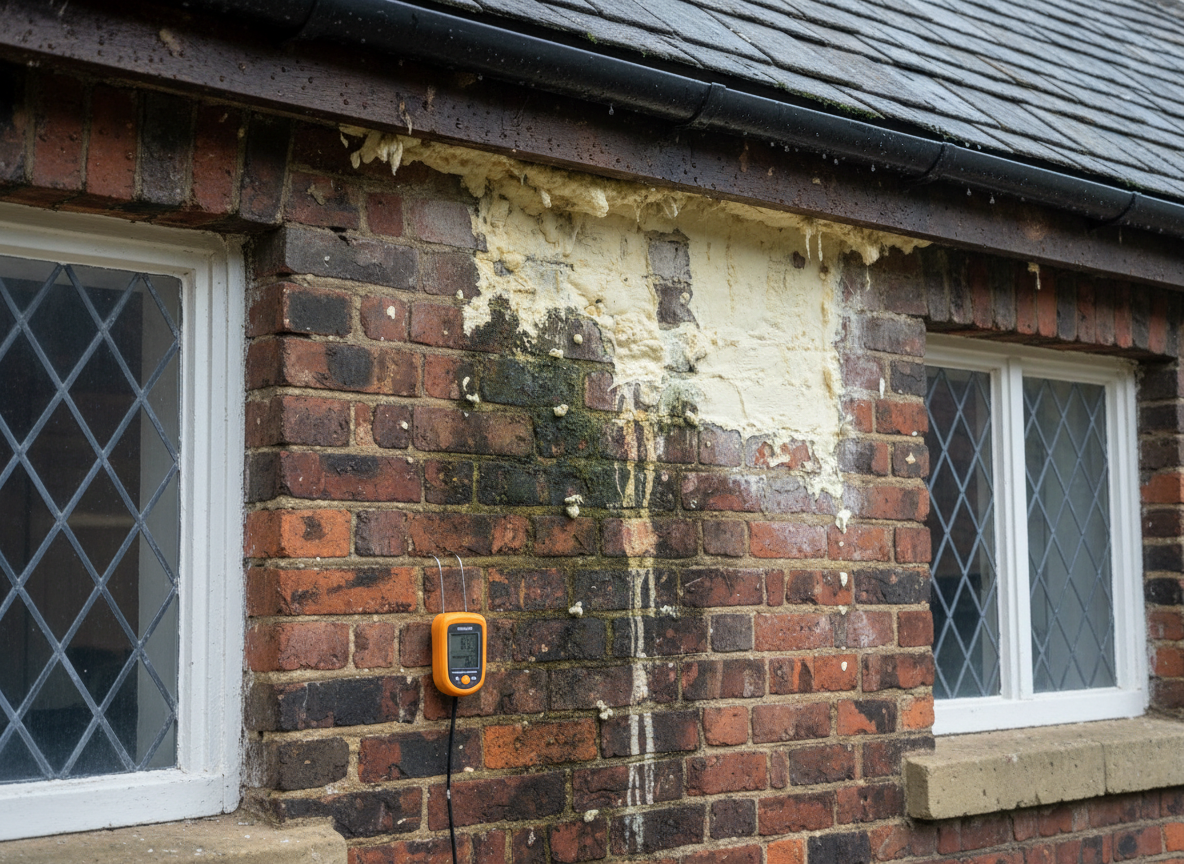
Moisture issues from spray foam in York terraces typically appear as dark stains along ceiling joists or soft timber within 3–7 years of installation, especially where closed-cell foam meets slate roofs and lath-and-plaster ceilings.
Early Visual Clues in Living Spaces
York terraces built between 1880 and 1910 feature narrow roof voids and shared chimney stacks that limit ventilation once spray foam is applied. Homeowners first see discoloured plaster on top-floor ceilings above bedrooms, often following the line of rafters. In areas such as Heslington and the Groves, persistent rain drives water under tiles; foam then holds that moisture against the wood rather than letting it escape. Check skirtings and internal walls for raised wallpaper edges or white efflorescence on brickwork where cavity fill has bridged the damp-proof course. These signs differ from standard rising damp because they appear higher and only after insulation work.
Loft Inspection Steps for Terraced Properties
Open the loft hatch on a dry day and shine a torch along the underside of the roof. Look for dark streaks on rafters or felt where closed-cell foam has been sprayed directly to the underside. Press joists with a screwdriver; any give indicates rot that started when foam prevented drying after winter rain. In York’s typical 400–600 mm roof voids, condensation pools at the eaves because the foam blocks the original airflow paths. Note any musty smell that intensifies after heavy showers, common from October through February when the city records frequent rainfall.
How Local Climate and Housing Stock Interact
York’s clay-heavy soils and frequent 5–10 °C winter temperatures create ideal conditions for condensation once spray foam seals the loft. Terraces in Selby Road and around the city walls often have single-skin gable ends that already run colder; foam on the ceiling then pushes any penetrating rain sideways into party walls. The result is hidden decay along shared timbers that only becomes obvious when lenders request an insulation assessment during remortgage. Older properties in Knaresborough and Tadcaster show the same pattern because their narrow streets reduce natural drying winds.
When to Arrange Professional Removal
If more than two joists show softening or if stains cover over 1 m² of ceiling, book an inspection rather than attempting DIY removal. Step-by-Step Homeowner Checks Before Spray Foam Removal in York outlines safe access points for terraces where party walls limit working space. Teams familiar with local stock use loft spray foam removal methods that restore ventilation without damaging original lathe. Delaying work risks further spread into the first-floor ceilings, especially ahead of another wet York winter.
Protecting Neighbouring Properties During Works
Terraced layouts mean any moisture problem can affect the adjoining home through shared timbers. Notify neighbours before work begins so they can monitor their own ceilings. After removal, allow the roof structure to dry for at least 14 days before new insulation is considered. Properties near the Ouse or Foss often need extra drying time because ground moisture rises through the brickwork. This measured approach keeps both homes dry and avoids repeat call-outs.