2026-10-23 ·
Preparing Your York Home for Spray Foam Removal in Rainy Months
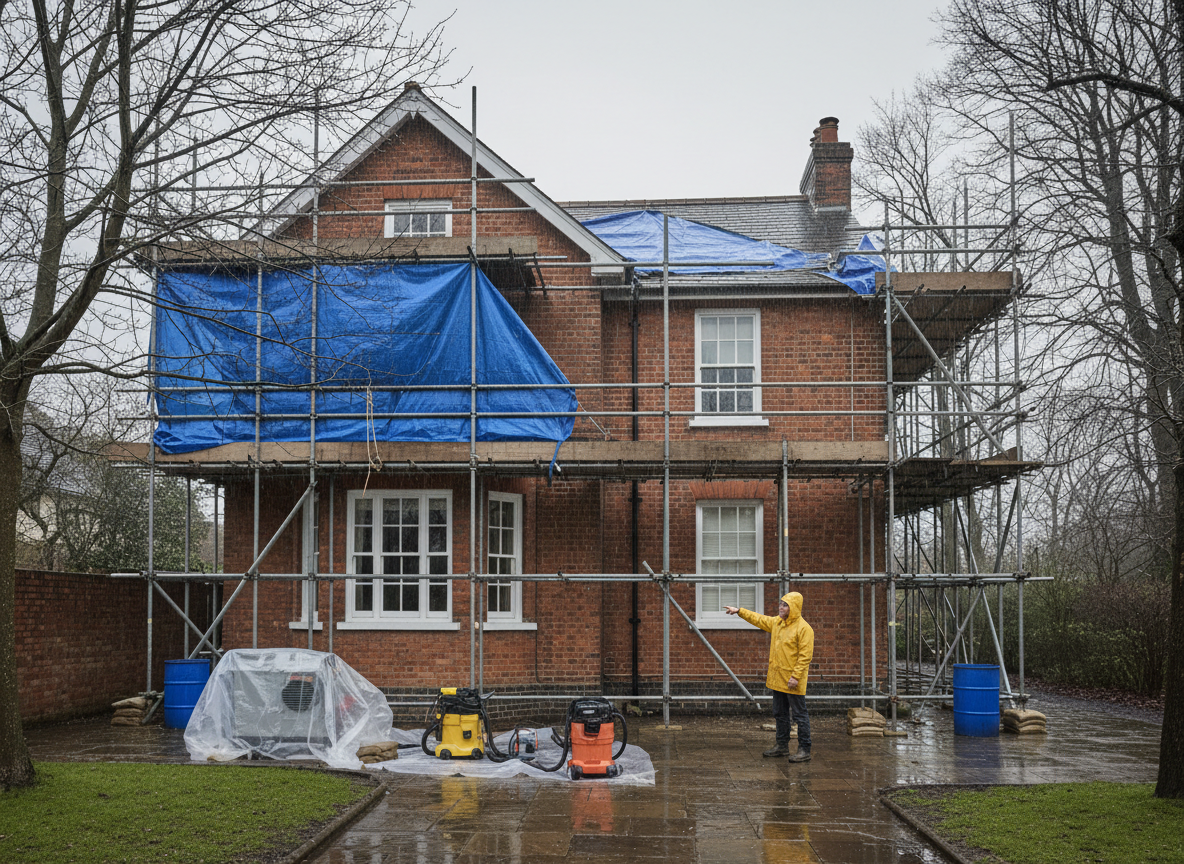
York homeowners facing spray foam removal during the wetter months need to focus first on moisture barriers and drainage around the property before any work begins. Heavy rain in the York area often saturates older Victorian and Edwardian roofs, so sealing entry points and checking gutters at least a week ahead prevents water tracking into exposed insulation cavities. ZenithShield Group operates 24/7 from Providence House, 2 Innovation Cl, Heslington, York YO10 5ZF and can respond quickly when sudden downpours threaten timelines.
Assessing Loft and Roof Exposure in York's Wet Climate
York's typical housing stock includes many properties built before 1930 with pitched roofs and timber joists that hold moisture longer than modern builds. During October through March, rainfall averages higher than the national mean, so loft spaces often show condensation trails along rafters even before removal starts. Walk the loft with a moisture meter to map damp patches near the eaves and ridge, noting any areas where previous insulation has already trapped water. Check for slipped tiles or cracked lead flashing common on homes in Heslington and nearby Fulford, because rain entering these points will soak new surfaces once foam is stripped. Document findings with photos dated and timed so the removal team can prioritise sections most at risk. This step directly informs whether temporary roof covers or internal tarpaulins will be required for the duration of the project.
Scheduling Around Rain Forecasts and 24/7 Availability
North Yorkshire weather patterns shift quickly, with Atlantic fronts bringing prolonged drizzle that can last three or four days. Book removal windows during the driest forecast stretches, ideally starting early morning so the team finishes before evening showers. Because ZenithShield Group offers 24/7 Spray Foam Removal, urgent rescheduling is possible if forecasts change overnight. Confirm the crew will stage dehumidifiers and plastic sheeting on site the day before, especially for lofts above occupied bedrooms where water ingress could damage ceilings. Factor in extra drying time between extraction phases when humidity stays above 80 percent, which is common in the Vale of York. Clear access routes through gardens the evening prior so equipment can be moved under cover without tracking mud into the house.
Protecting Interior Finishes and Neighbouring Properties
Once foam removal begins, dust and small foam fragments travel easily through open loft hatches into living spaces below. Lay heavy-duty floor protection and seal doorways with tape and polythene in homes around the city centre and Clifton. In terraced streets common to York, coordinate with immediate neighbours to cover shared chimney stacks or party walls that might receive overspray or water runoff. Position extraction fans to vent externally rather than into the street, reducing complaints during longer jobs. Keep a supply of absorbent mats at the base of ladders because boots pick up moisture from the garden paths that are often sodden in winter. These measures keep the interior clean and limit callbacks once the loft spray foam removal is complete.
Final Drying and Ventilation Checks Before Re-Insulation
After the bulk of the foam is removed, allow at least 48 hours of forced ventilation even if the rain has stopped, because residual moisture in joists and plaster can linger. Use the Step-by-Step Homeowner Checks Before Spray Foam Removal in York checklist to verify every rafter feels dry to the touch and readings on a meter sit below 15 percent. Open windows on opposite sides of the house to create cross-flow, and leave loft hatches ajar during the day while monitoring for new leaks. Only once surfaces pass inspection should new insulation or boarding be considered. This disciplined approach prevents mould growth that frequently appears in York attics when removal work finishes just before another wet spell arrives.